






As an agency, we understand that considering a brand repositioning can be a daunting prospect for a client – but depending on your current status, it’s something that should be seriously considered. As your business evolves, it’s important that your brand does too as brand repositioning goes much further than just visual changes. But does repositioning your brand actually work in achieving your goals?
Repositioning your brand with your current and prospective audience involves having a deep understanding of what is core to its identity. What your objectives and vision was at the start of your brand journey is likely to not be 100% the same 5 to 10 years later. But it’s important to ensure that your brand vision is creatively and thoughtfully planned. A brand should never be repositioned without a strategy outlined as without a clear strategy, your rebrand could be a flop, leading to a disengaged audience. But there are some brands who have done it with amazing success and show that repositioning your brand, when done right, can really work.
Successful examples of brand repositioning
Old Spice “Spice” things up
Let’s not beat around the bush, this is a brand often cited in articles on this exact topic. Scour the internet and you’ll find articles highlighting how Old Spice pivoted their strategy to target women specifically with its “The man, your man could smell like” tagline. A somewhat odd strategy, to target an audience who wouldn’t wear the product – but would purchase it.
In 2010, the very concept of a meme was in its infancy, but the sharing of content via social media and smart phones was starting to take hold as society started sharing humorous content more and more. Enter Old Spice, and this tongue-in-cheek advert with quick scene changes and quips that honestly aren’t out of place on TikTok these days. Previous customers of Lynx were found to be trading in their cans of Africa for the Old Spice craze… except it wasn’t actually “new”.
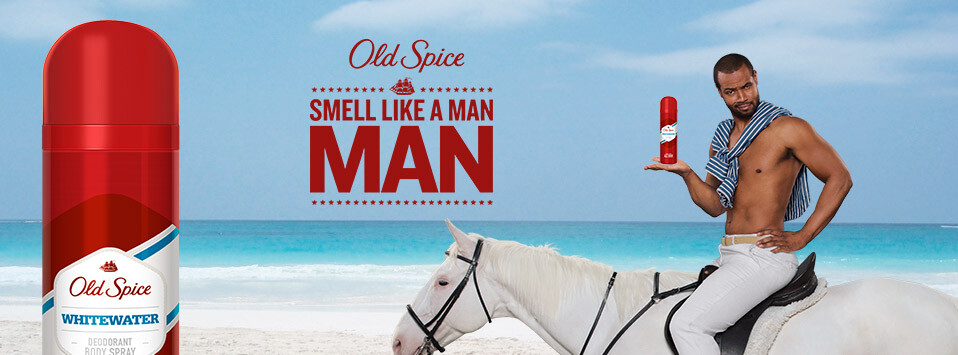
Many people of a certain age would associate the the brand as a scent you’d buy for your Grandad, so it seemed no easy feat to try and introduce this to a younger audience. Much of this could be attributed to a slightly controversial topic of masculinity and playing on the feeling or what does or doesn’t constitute ‘a man’.
The product remained how it had always been, but the modern generation had the perception of it being a stale, uncool fragrance. Through this repositioning, Old Spice suddenly became an on trend, modern and aspirational scent – that’s the power of repositioning, reinventing your entire market without re-engineering your product. Whilst the campaign’s doubling of sales was attributed to targeting women, its teens who aspired to have it in their collection.
Universal Resort change their philosophy
Brand repositions aren’t wholly about the consumer, as a business evolves, its aims and ambitions of growth can too. As your brand diversifies, you might feel it no longer stands for what you previously did. This is exactly what happened to the Universal Parks and Resorts division back in 2023. Their growth strategy was no longer solely focused on parks and resorts, meaning their scope of messaging needed to cater to different audiences who wanted something different from the brand.
The division realised that consumer expectations were changing, and the market was no longer excited by their USPs. As they began to pivot towards how they could innovate and create truly unique experiences, this prompted the business to rebrand the division to Universal: Destinations & Experiences.

It seems like a simple name change, but with this change comes the new philosophy of seeking expansion to international markets and the creative spark to create attractions that really stand out. The change has been the foundation of Universal’s growth over the last few years, including the development of a third park at their Orlando resort and their entry in to the UK market with a Universal park scheduled to open in 2031.
Nokia
In the late 90’s/00’s, Nokia dominated the phone market. In fact, their Nokia 3310 at the time was as pioneering as the iPhone, popularising the use of SMS devices – not to mention the amazing games (Snake, anyone?). Their phones were seen as durable, reliable and advanced.
Blindsided by the phenomenal launch and growth of the smart phone market, Nokia continued to focus on their core offering. They maintained there would be still a core market for those who favoured phones with keypads and traditional screens. No surprises, they were ultimately wrong, choosing to pivot towards smart phones following their acquisition by Microsoft.
To many now, Nokia is nothing but a distant memory of indestructible phones, and the pings of Space Invaders. In 2023 however, they refocused their brand strategy. Whilst they still create consumer phones today, they realised the very market they’d pioneered no longer had space for them. But their brand perceptions of reliability and advancement still stood for something in the minds of those who were invested in their networks.
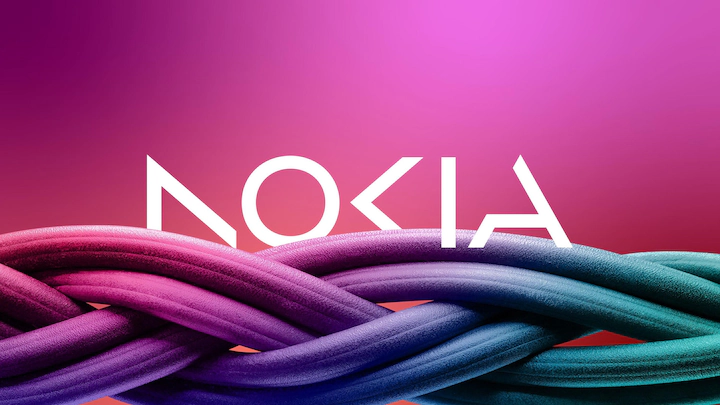
So that’s exactly what they did, changing their focus and giving themselves a new image that aligned with the fact they were at the cutting edge of connectivity solutions (even deliberately removing parts of the letters in their logo where people are forced to connect the gaps). The rebrand is fresh, modern and in keeping with a brand renowned for technology.
When brand repositioning is a disaster
X
Anyone over the age of 15 should recognise the logo below.
Twitter had an extremely strong brand, with the word “Tweet” (meaning post) being added into the Oxford Dictionary in 2013. It was a pioneering brand for sharing your thoughts, creative outputs and more. But unfortunately, the strong brand of Twitter was quickly shattered following it’s controversial rebrand in 2023. Overnight the iconic bird and blue motif of Twitter was replaced with a monochrome palette and a rename of X – all thanks to it’s new owner, Elon Musk.

Elon Musk imposed the rebrand to align with his growth strategy of the platform. The aim was to make the app seem more suited for anything, like a viable payment method, and video sharing. On paper the visual identity feels like a high tech platform that could offer this, in line with Musk’s other technological investments, but it failed to understand its audience.
X had a fairly loyal active user base who appreciated it’s less cluttered approach to social messages and sharing. The rebrand ushered in changes the audience didn’t want, and effectively erased the platforms identity that users were attached to. Not to mention a heavy reduction on censorship of the types of content that were shared, users being blocked for sharing their personal views and certain topics and much more. As a result, users of the platform have been steadily declining year on year – it’s reported that since the acquisition by Musk, Twitter/X has lost 33 million users globally.
How Kensa can help
As an agency we have over 15 years experience in rebranding and creating brand strategies from scratch. We handle the whole process from start to finish, conducting industry research and delving in to the identity of your brand to ensure we deliver the right visual identity, the best assets and the best strategy to maximise the return on your repositioning.
We’re eager to get started, are you? Get started with a repositioning project with us here.